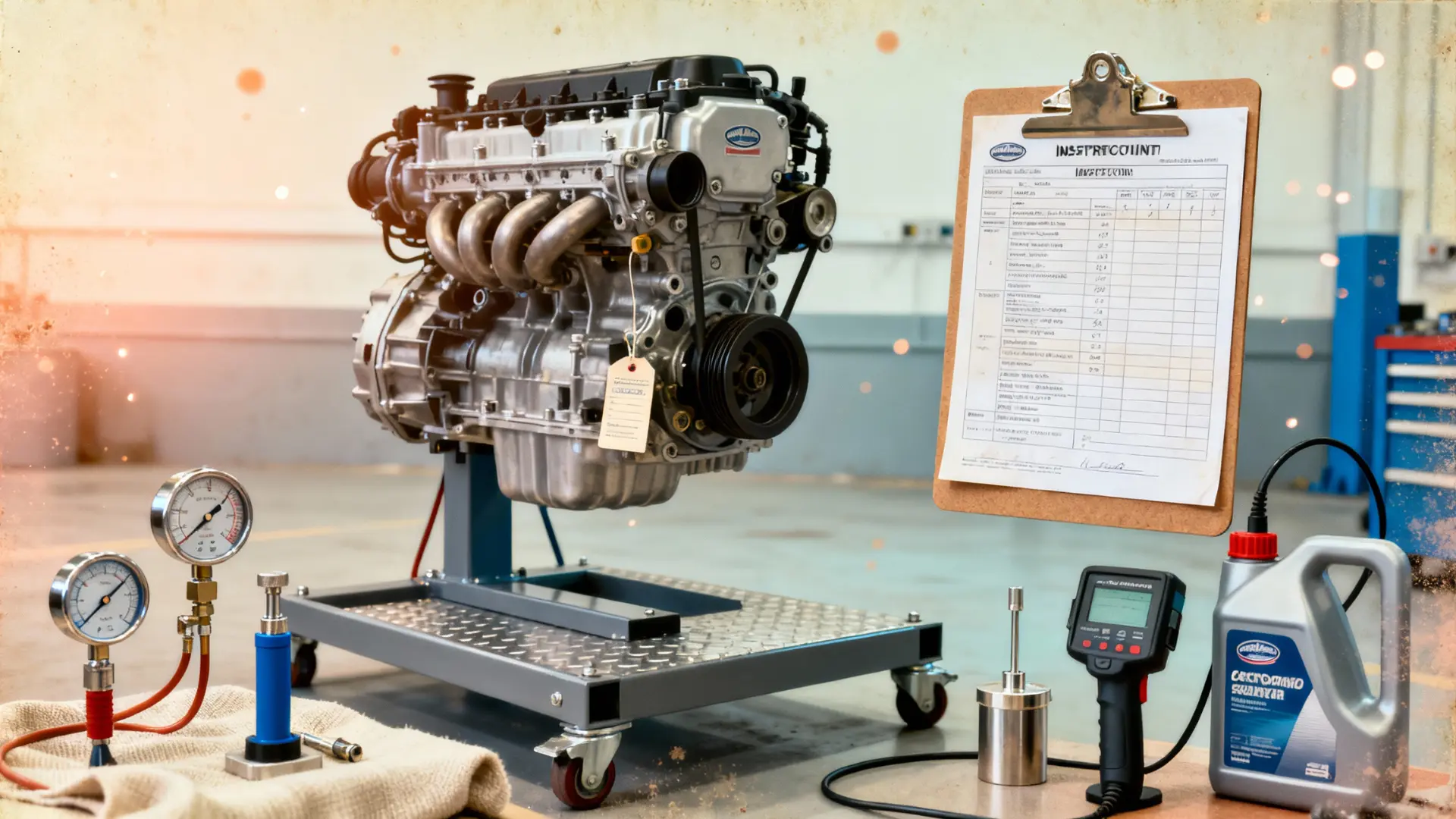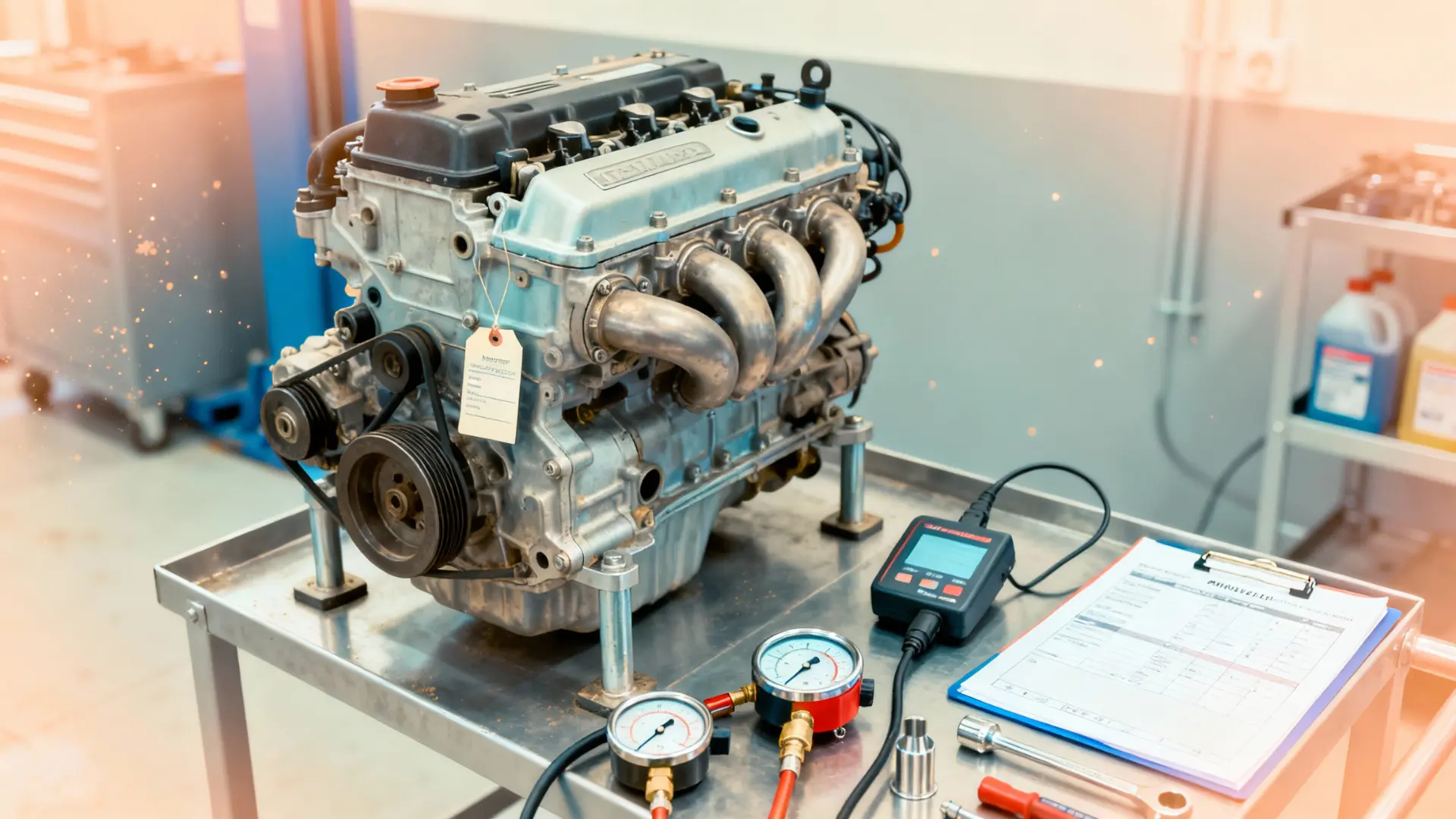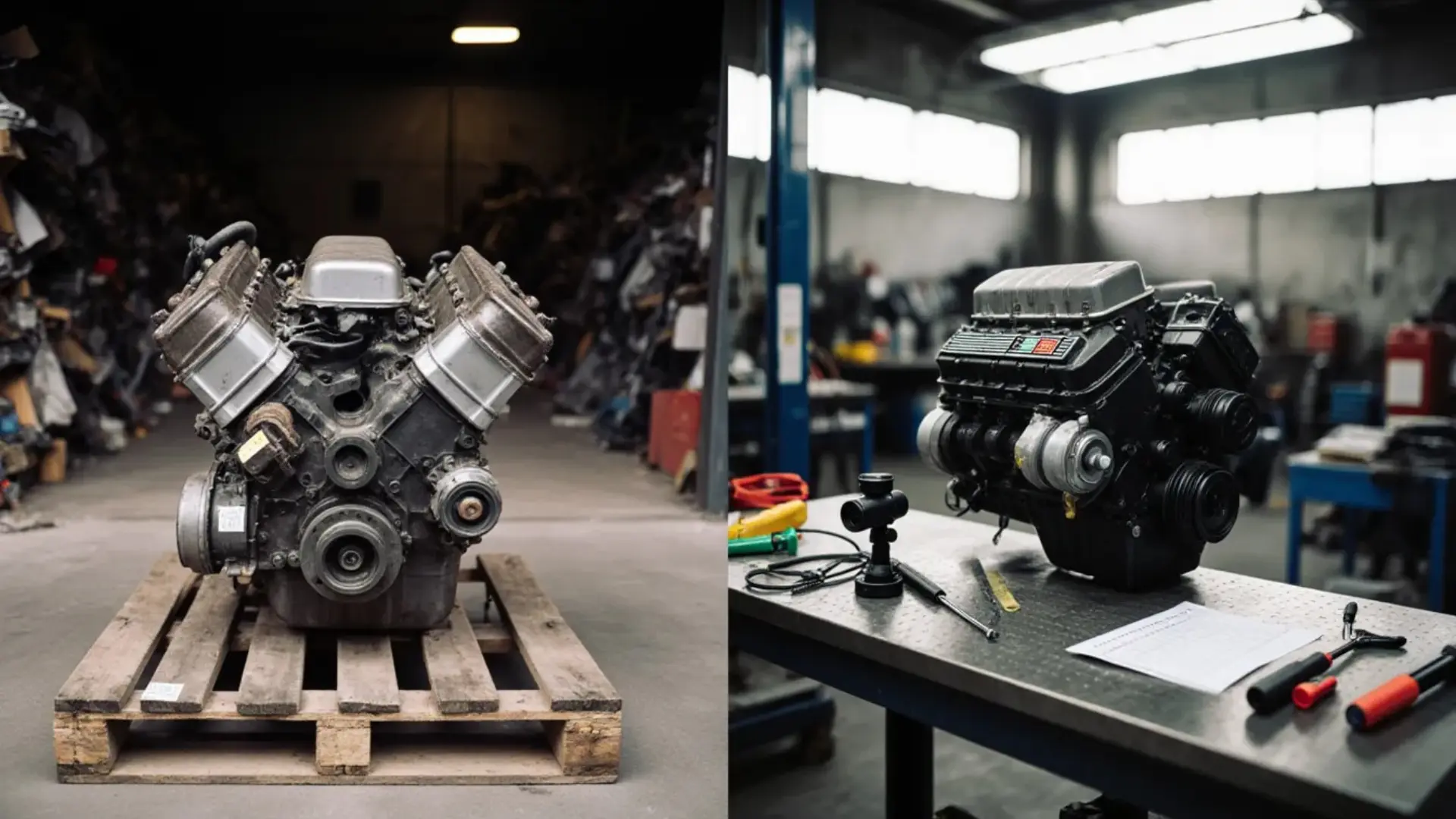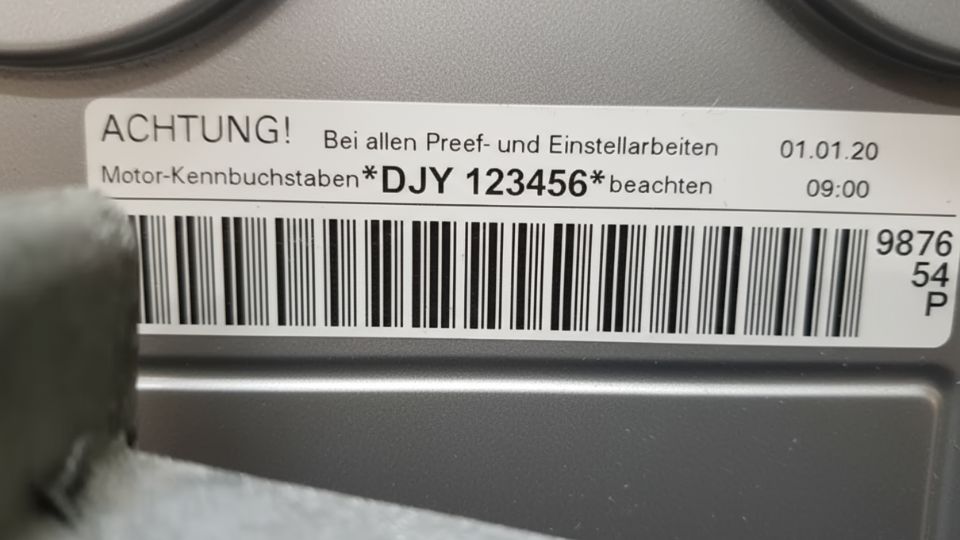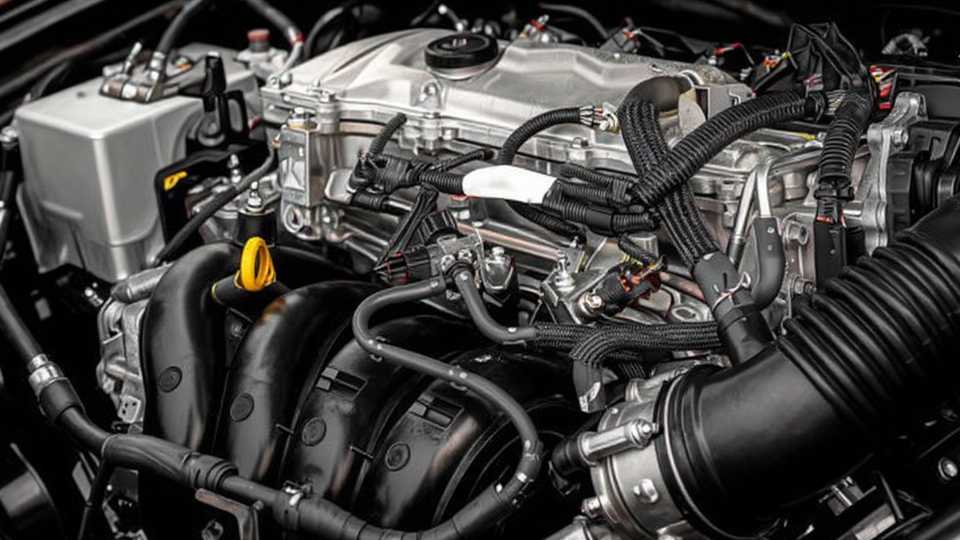
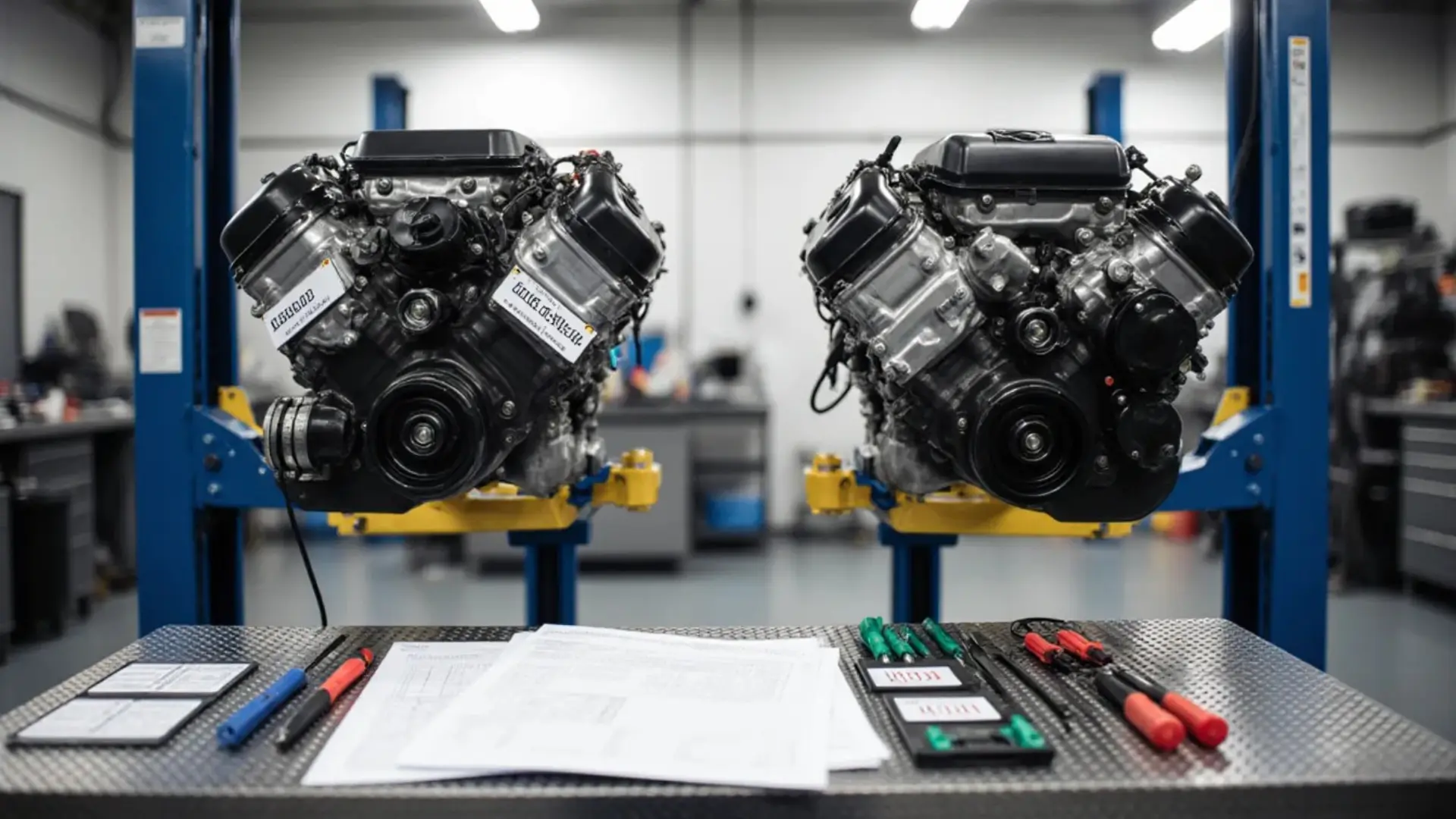
Buying a used engine is not just about finding the right price—it's about finding the right engine. Even engines that look identical can be incompatible due to differences in engine codes, electronics, or emissions systems.
In this article, we explain how to choose a compatible replacement engine for your vehicle, what to verify, and how professionals eliminate compatibility risks before installation.
Why Engine Compatibility Is Critical
Installing an incompatible engine can lead to:
- Engine not starting or running correctly
- ECU and sensor errors
- Power loss or abnormal performance
- Emission compliance issues
- Costly reinstallation or replacement
Compatibility errors often appear after installation, when time and money have already been spent.
Step 1: Identify the Exact Engine Code
The engine code is the most important compatibility reference—not just the engine size or brand.
The engine code defines:
- Internal engine design
- Injection system
- Turbo or naturally aspirated setup
- Sensor configuration
- Emission standards
Two engines with the same displacement but different engine codes may not be interchangeable.
Step 2: Match Vehicle Specifications Precisely
Beyond the engine code, compatibility depends on several vehicle-specific details:
- Make and model
- Production year
- Fuel type (petrol, diesel, hybrid)
- Transmission type (manual or automatic)
- Emission standard (Euro 4, 5, 6, etc.)
- Market version (EU specifications)
Even small differences can cause installation or performance issues.
Step 3: Understand the Difference Between Engine Types
Not all replacement engines are sold in the same configuration.
Common options include:
- Bare engine (long block): engine block with internal components only
- Complete engine: includes accessories such as injectors, turbo, alternator, etc.
Choosing the wrong type may require additional parts or modifications.
Step 4: Check Electronic & Sensor Compatibility
Modern engines rely heavily on electronics.
Compatibility issues may arise from:
- Different ECU versions
- Sensor placement variations
- Wiring harness differences
- Software and calibration mismatches
This is one of the most common causes of post-installation problems.
Step 5: Verify Emission & Regulatory Compliance
In Europe, emission standards are legally enforced.
An incompatible engine may:
- Fail emissions testing
- Cause dashboard warning lights
- Be rejected during inspection or registration
Always ensure the replacement engine meets the same emission standard as the original.
Why Visual Similarity Is Not Enough
Many buyers assume that if an engine "looks the same," it will fit. This is a costly misconception.
Visual similarity does not guarantee:
- Internal compatibility
- Electronic integration
- Emission compliance
Professional verification is essential.
How Auketra Ensures Engine Compatibility
At Auketra, engine compatibility is verified before any sale or shipment.
Our process includes:
- Engine code verification
- Cross-checking with vehicle specifications
- Confirmation of electronic and emission compatibility
- Technical validation before delivery
This prevents installation errors and unnecessary costs.
Our Role: Helping You Make the Right Technical Choice
Choosing the right engine is not always straightforward—and that's where expertise matters.
At Auketra, our job is to:
- Analyze your vehicle details
- Identify the correct compatible engine
- Avoid technical mismatches
- Deliver a solution that works the first time
Common Compatibility Mistakes to Avoid
- Choosing an engine based only on displacement
- Ignoring engine code differences
- Overlooking emission standards
- Assuming accessories are interchangeable
- Buying without professional verification
Avoiding these mistakes saves time, money, and frustration.
Conclusion: Compatibility Is Not Optional
A compatible engine is not a luxury—it's a requirement.
By verifying engine codes, specifications, electronics, and emissions, you reduce risk and ensure a smooth installation.
With Auketra, compatibility is checked before the engine reaches you, so you can move forward with confidence.
The right engine is not just one that fits—it's one that works flawlessly with your vehicle.
FAQ
Need Help Finding a Compatible Engine?
Get expert assistance in selecting the right compatible engine for your vehicle. We verify engine codes, specifications, electronics, and emissions to ensure a perfect match.